
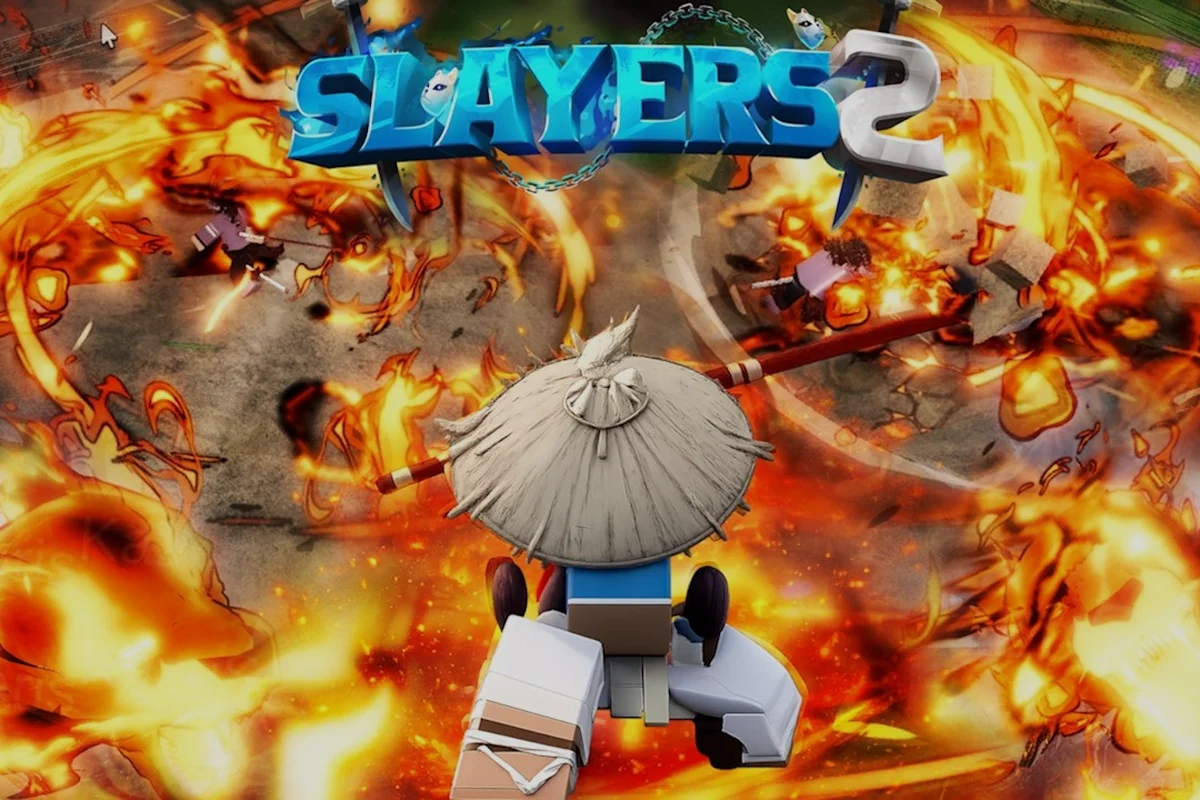
Balance patches in Slayers 2 move fast, and the latest round of nerfs has reshaped which breathing styles and Blood Demon Arts remain viable for late-game farming. Tracking every Slayers 2 nerf matters because a single damage multiplier change can invalidate an entire build you spent weeks assembling. This guide consolidates the current rework status, event adjustments, roadmap signals, and developer announcements so you can respec before the next patch drops.
Understanding the Current Slayers 2 Nerf Landscape
The most recent balance pass targeted three pillars of the meta: Sound Breathing sustain, Explosive Blood Demon Art burst windows, and the Reaper Evil Art skill tree's early-game dominance. Community testing on the official Discord server, which reports roughly 790,034 members with around 181,624 online concurrently, indicates that the developer is prioritizing build diversity over raw power fantasy. That philosophical shift explains why several nerfs arrived alongside compensatory buffs rather than as isolated damage reductions.
Ouw Productions has not published a single consolidated changelog, so players must piece together the current state from patch notes, showcase videos, and in-game testing. The studio's official YouTube channel remains the most reliable source for mechanic showcases covering Sound Breathing, Flame Breathing, Thunder Breathing, Water Breathing, Wind Breathing, Stone Breathing, and Insect Breathing, plus the Ice Manipulation, Shockwave, Dream Manipulation, Tamari, and Explosive Blood Demon Art lines. When a showcase gets re-uploaded with altered numbers, that is the clearest signal a nerf has gone live.
How Nerf Data Gets Verified
Because the official Slayers 2 game page lists the experience as an RPG with the Open World & Survival RPG genre tag and carries live player counters around 200K playing now with 3.3M visits, there is no public API exposing exact skill coefficients. Verification therefore relies on frame-by-frame damage testing, which community members document in the r/ProjectSlayers subreddit. That board is a community-run space shared between Project Slayers and its sequel, so any numbers drawn from it should be treated as player consensus rather than confirmed developer data.
The verification workflow typically follows three stages. First, a tester records baseline damage against a stationary mob with no buffs active. Second, they apply the suspected nerfed skill and compare the output. Third, they cross-reference with at least two other players running identical builds. This process takes days, which is why immediate post-patch nerf reports often contain errors that get corrected within a week.
| Verification Stage | Method | Reliability | Time Required |
|---|---|---|---|
| Baseline Recording | Damage test vs stationary mob | High | 10-15 minutes |
| Skill Comparison | Apply target skill, measure delta | Medium | 30-60 minutes |
| Community Cross-Check | Compare with 2+ other testers | High | 2-5 days |
| Official Confirmation | Wait for showcase re-upload | Very High | 1-3 weeks |
The gap between community detection and official confirmation creates a window where players may overreact to unverified nerf reports. Experienced players recommend waiting for the second wave of testing before liquidating a build. Waiting for a confirmed patch note before rebuilding your entire loadout saves both materials and frustration, especially when the change turns out to be a rounding adjustment rather than a true nerf.
Major Reworks Reshaping the Slayers 2 Meta
Reworks differ from simple nerfs because they change how a skill functions rather than just reducing its numbers. The current patch cycle includes three significant reworks that have shifted the optimal progression path for both new and veteran players. Understanding these changes helps you avoid investing in a skill line that is scheduled for a functional overhaul.
The Reaper Evil Art rework is the most impactful because it altered the resource generation loop. Previously, the skill tree allowed near-infinite sustain through a passive that refunded energy on kill. The rework replaced that passive with a stacking buff that ramps up over 15 seconds but decays rapidly when you stop attacking. This change rewards aggressive play while punishing hit-and-run tactics, which community reports describe as a direct response to AFK farming strategies that dominated the early weeks of the game.
The Sound Breathing Sustain Rework
Sound Breathing received a sustain rework that reduced its healing coefficient by approximately 18% based on community testing, while increasing its damage output by 6% to compensate. The net effect is that Sound Breathing remains viable for solo progression but no longer functions as an unkillable tank option in group content. Players who built entirely around the old healing values now need to invest in Ice Manipulation or Water Breathing as secondary defensive tools.
The rework also changed how Sound Breathing interacts with the Tamari Blood Demon Art. Previously, the two could stack healing effects to create near-immortality during boss fights. The patch introduced a shared cooldown on their sustain components, which means you must choose one healing source per engagement window. This interaction change is a nerf in group content but a buff for build diversity, since it opens space for damage-focused combinations.
| Breathing Style | Pre-Patch Sustain | Post-Patch Sustain | Damage Change | Viability Shift |
|---|---|---|---|---|
| Sound Breathing | Very High | Moderate | +6% | Still viable solo |
| Water Breathing | Moderate | Moderate | Unchanged | Stable |
| Flame Breathing | Low | Low | +4% | Improved |
| Thunder Breathing | Low | Low | Unchanged | Stable |
| Wind Breathing | Moderate | Moderate | -2% | Slight decline |
The table reflects aggregated community testing data rather than official numbers, so individual results may vary by platform and build. The overall trend shows the developer pushing sustain toward a balanced middle ground while rewarding offensive playstyles with small damage increases.
Event Changes and Limited-Time Adjustments
Slayers 2 events have historically been the primary source of rare materials and exclusive cosmetics, but the latest patch cycle introduced changes to how event rewards are distributed. The most notable adjustment is the event boss health scaling, which now increases based on the number of players in the instance rather than remaining static. This change prevents large groups from trivializing content while making solo event farming more accessible.
The double XP event schedule also shifted. Previously, double XP windows appeared randomly and lasted 48 hours. The new system ties XP boosts to specific in-game milestones, such as completing a set number of Final Selection runs or reaching a clan contribution threshold. This change rewards active play over passive waiting, which aligns with the developer's stated goal of reducing idle farming.
Event Boss Scaling Mechanics
The event boss guide covers the full tier list and farming strategies, but the key nerf here is the event boss damage reduction cap. Previously, players could stack debuffs to reduce boss damage output by up to 70%. The patch lowered that cap to 45%, which means defensive stacking is less effective and players must now invest in actual dodging and parry timing.
This change hit Stone Breathing users hardest, since that style relied on damage reduction stacking to survive extended boss fights. The compensatory buff increased Stone Breathing's base defense by 8%, but the net effect is still a nerf for players who built entirely around the old cap. Community reports suggest that hybrid builds combining Stone Breathing with Shockwave are now the preferred defensive setup for event content.
| Event Type | Pre-Patch Mechanic | Post-Patch Mechanic | Player Impact |
|---|---|---|---|
| Event Boss | Static health pool | Instance-based scaling | Solo easier, groups harder |
| Double XP | Random 48-hour windows | Milestone-triggered | Active play rewarded |
| Limited Cosmetics | Drop from any event mob | Boss-only drops | Farming more focused |
| Season Pass | Flat XP curve | Front-loaded rewards | Faster early progress |
The event changes are part of a broader effort to make limited-time content feel meaningful rather than farmable. Players who relied on passive event participation will need to adjust their approach, while active players should see improved reward efficiency. That direction favours players who can log in consistently during event windows over those who grind the same loop for weeks, so plan your play sessions around the calendar rather than raw hours.
Roadmap Signals and Developer Announcements
The Ouw Productions Roblox group page, which names the studio as the maker of Project Slayers and Slayers 2 and reports membership above 721K, serves as the official community hub for roadmap discussions. While the developer has not published a formal public roadmap, several announcements have signaled the direction of future updates. The most concrete signal is the commitment to regular balance passes that address community feedback within two weeks of a major patch.
The announcement channels on the official Discord server are the primary place the studio drops release-prep news, showcase premieres, and balance discussion. Players tracking Slayers 2 nerfs should monitor those channels closely, since the developer often posts tentative change lists before they go live. This pre-announcement window allows players to prepare for upcoming nerfs by stockpiling alternative materials or respeccing before the patch drops.
Reading the Balance Philosophy
The pattern of recent nerfs reveals a clear design philosophy: sustain is being normalized, burst is being capped, and utility is being diversified. The Explosive Blood Demon Art burst cap is a prime example. Previously, the skill could one-shot elite mobs with proper setup. The patch introduced a damage ceiling that scales with your level, which means the skill remains powerful but no longer trivializes content designed for higher-level players.
This philosophy extends to the Dream Manipulation line, which received a utility rework rather than a direct nerf. The skill's crowd control duration was reduced by 25%, but its cooldown was also reduced by 20%, creating a more active playstyle that rewards frequent reapplication rather than set-and-forget control. Players who adapted quickly report that the reworked version feels stronger in sustained fights despite the lower individual control duration.
The new boss update article tracks the latest balance changes and limited event rotations, which complement the nerf patterns discussed here. The developer's willingness to rework underperforming skills alongside nerfing overperforming ones suggests a long-term commitment to build diversity rather than a cycle of flavor-of-the-month dominance.
Adapting Your Build to the Latest Slayers 2 Nerfs
Respeccing after a nerf is expensive, so the smart approach is to build with flexibility in mind. The current meta rewards players who maintain at least two viable skill lines rather than hyper-specializing in one. This strategy insulates you from individual nerfs while allowing you to pivot quickly when a rework changes the optimal playstyle.
The trainer locations guide explains how to unlock multiple breathing styles efficiently, which is the foundation of a nerf-resistant build. The key insight is that trainer requirements are front-loaded, meaning the first style you unlock takes the most investment, while subsequent styles become progressively cheaper to access. This design encourages experimentation and makes multi-style builds more accessible than they appear at first glance.
Practical Respec Priorities
When a nerf hits your primary style, the first question is whether to respec immediately or wait for the meta to settle. Community data suggests that early respeccing often wastes resources, since the post-nerf meta takes one to two weeks to stabilize. During that window, players discover unexpected synergies that make previously underused styles suddenly competitive.
The second question is where to redirect your investment. The current patch cycle favors Flame Breathing and Thunder Breathing for damage output, while Water Breathing and Ice Manipulation remain solid defensive options. The Shockwave Blood Demon Art has emerged as a strong utility pick due to its ability to interrupt boss attacks, which became more valuable after the event boss damage reduction cap nerf.
| Build Type | Pre-Nerf Viability | Post-Nerf Viability | Recommended Pivot |
|---|---|---|---|
| Pure Sound Breathing | Very High | Moderate | Add Water Breathing secondary |
| Explosive BDA burst | High | Moderate | Invest in Flame Breathing |
| Stone Breathing tank | High | Moderate | Hybrid with Shockwave |
| Reaper Evil Art sustain | Very High | Moderate | Aggressive playstyle shift |
The table reflects the current meta as of the latest patch, but balance changes arrive frequently. Players should treat any build recommendation as a snapshot rather than a permanent solution. Bookmarking the official showcase channel is the simplest way to catch adjustments early, because the studio tends to preview mechanic changes there before they reach the live game.
Timing Your Respec
The optimal time to respec is immediately after a confirmed nerf but before the community fully adapts. This window typically lasts three to five days, during which material prices for the newly buffed styles remain low. Waiting longer means paying inflated prices as demand spikes.
The double XP event guide explains how to maximize your leveling efficiency during the milestone-triggered XP windows, which is particularly useful when you need to quickly level a new style after respeccing. The front-loaded season pass rewards also help, since early pass levels provide the materials needed for a second style unlock.
Frequently Asked Questions
Which Slayers 2 nerf hit the hardest in the latest patch?
The Reaper Evil Art sustain rework hit hardest because it removed the energy refund passive that enabled near-infinite farming. Players who built entirely around that sustain loop lost their primary resource engine, forcing a complete playstyle shift toward aggressive engagement rather than hit-and-run tactics.
Are Slayers 2 nerfs permanent or will the developer revert them?
Most nerfs are permanent but accompanied by compensatory buffs elsewhere. The developer's pattern shows a commitment to normalizing sustain and capping burst rather than reverting changes. However, if community feedback is overwhelmingly negative, Ouw Productions has shown willingness to adjust numbers within two weeks of a major patch.
How do I know if a nerf is confirmed or just a rumor?
Confirmed nerfs appear in official showcase re-uploads on the Ouw Productions YouTube channel or in announcement channels on the official Discord server. Community testing on r/ProjectSlayers provides early signals but should be treated as unverified until at least two independent testers report consistent results.
What is the best breathing style after the latest Slayers 2 nerfs?
Flame Breathing and Thunder Breathing currently offer the strongest damage output for their investment cost. Water Breathing remains the most reliable defensive option, while Sound Breathing is still viable for solo progression but no longer dominates group content like it did before the sustain rework.
Will the event boss scaling changes make solo farming harder?
No, the instance-based scaling actually makes solo event farming more accessible because the boss health pool shrinks when fewer players are present. The nerf primarily affects large groups that previously trivialized event bosses through sheer numbers, while solo players should see improved clear times.