
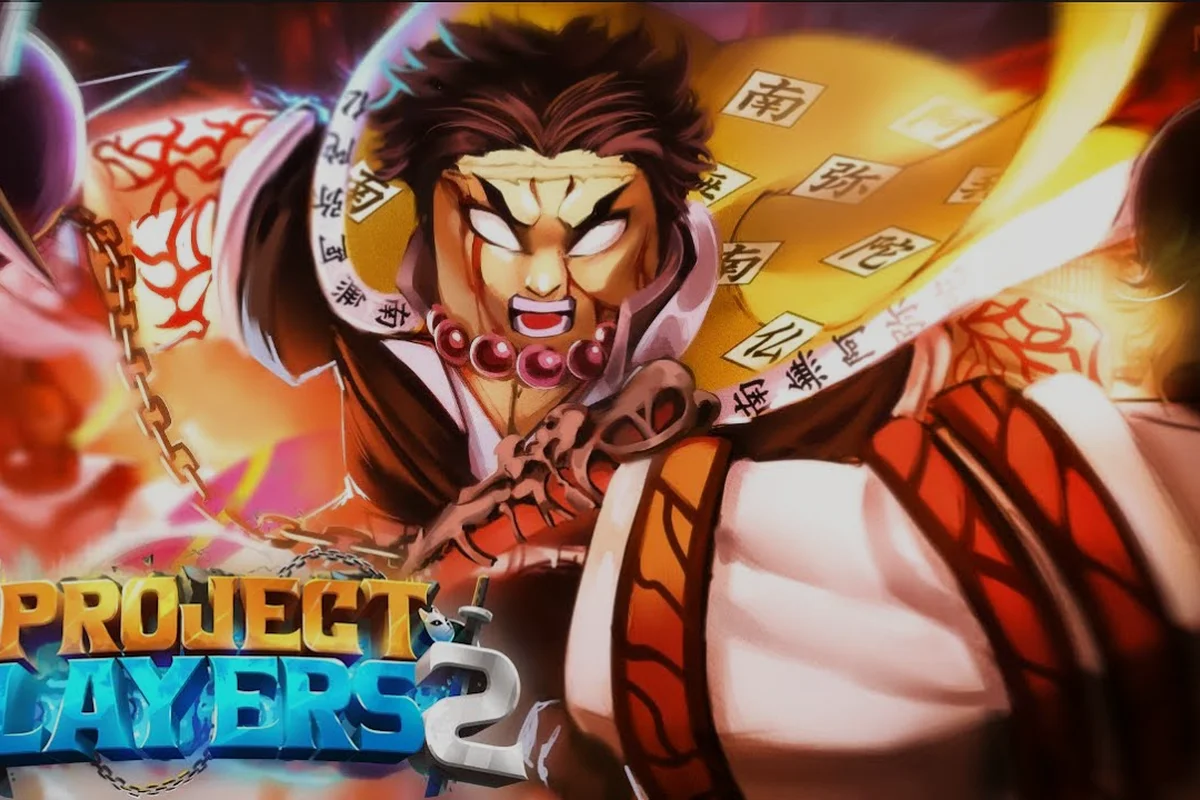
Demon Arts are the defining combat path for players who embrace the demon side of Slayers 2, offering a completely different rhythm from Breathing styles and a transformation ceiling that reshapes how you approach every fight. Understanding the full roster of Slayers 2 demon arts matters because your choice locks in early, and the gap between a mediocre art and a top-tier one shows up in your very first boss encounter. This guide breaks down every confirmed art, the unlock requirements, and which ones actually justify the grind.
The Complete Slayers 2 Demon Arts Roster
The official Ouw Productions showcase channel has confirmed a specific set of Demon Arts currently available in Slayers 2, and the list is smaller than most players expect. Unlike the sprawling Breathing trees, demon arts are tightly curated around distinct playstyle fantasies, which means each one carries more identity but also more pressure to pick correctly. The confirmed roster includes Ice Manipulation, Shockwave, Dream Manipulation, Tamari, and Explosive Blood, alongside the separate Reaper Evil Art skill tree that functions as a hybrid demon path.
Each art operates on a resource loop tied to demon energy rather than stamina, which changes how you approach extended fights. Where a Slayer manages breath charges and combo windows, a demon player juggles transformation uptime, blood-based cooldowns, and positioning that rewards aggressive engagement. The following table summarizes the confirmed arts and their core identity:
| Demon Art | Core Identity | Playstyle Focus | Confirmed Source |
|---|---|---|---|
| Ice Manipulation | Area denial and freeze control | Mid-range zoning, crowd control | Official showcase |
| Shockwave | Burst knockback and stagger | Close-range pressure, combo breaks | Official showcase |
| Dream Manipulation | Debuff and disorient effects | Setup-heavy control, punish windows | Official showcase |
| Tamari | Blood projectile and sustain | Ranged poke, attrition | Official showcase |
| Explosive Blood | High-damage AoE bursts | All-in aggression, trades | Official showcase |
| Reaper Evil Art | Hybrid demon-slayer toolkit | Flexible adaptation, mixed range | Official showcase |
Because the studio publishes each showcase under its own title, the official Ouw Productions YouTube channel remains the most reliable place to see these arts in action before you commit. Watching a full showcase gives you a feel for animation speed, hitbox width, and transformation visual language that a written description cannot fully capture.
How to Become a Demon and Unlock Your First Art
The path to unlocking Slayers 2 demon arts starts with a faction decision that arrives early in your progression, and it is not reversible without a dedicated reset mechanic. Players who want to explore the demon side need to understand that becoming a demon locks you out of Breathing-based progression until you go through a specific reversal process. The transformation itself is a quest-driven event rather than a simple menu toggle, which means you should plan your early hours around the NPC chain that leads to it.
The Demon Transformation Requirements
Community reports consistently point to a multi-step requirement chain before the demon transformation becomes available. You need to reach a minimum level threshold, complete the introductory story arc, and locate the specific NPC who offers the demon path. Because the game does not surface these requirements in a single checklist, many players miss the window and end up locked into a Slayer route they did not intend.
The transformation sequence typically involves accepting a quest from a demon-aligned NPC, surviving a solo encounter that tests your current build, and then confirming your choice through a dialogue prompt that explicitly warns about the faction lock. Once confirmed, your character model shifts, your breathing UI is replaced with a demon energy meter, and your first Demon Art becomes selectable from a reduced roster. The exact timing of each step can vary by patch, so treat any specific level requirement as community-verified rather than developer-confirmed.
Choosing Your First Demon Art
Your first art selection is the single most consequential early decision for a demon build because rerolling is expensive and the art determines your entire skill tree shape. The best approach is to match your art to your preferred engagement range: Shockwave rewards players who like being in the opponent's face, while Tamari suits those who prefer to control space from a distance. Ice Manipulation sits in the middle, offering zoning tools that punish aggressive Slayers who overcommit.
| Playstyle Preference | Recommended First Art | Why It Fits |
|---|---|---|
| Aggressive rushdown | Shockwave | Stagger pressure and combo breaks reward constant engagement |
| Defensive zoning | Ice Manipulation | Freeze and area denial punish predictable approaches |
| Ranged attrition | Tamari | Blood projectiles let you trade from safety |
| Setup and punish | Dream Manipulation | Debuffs create windows for burst damage |
| High-risk burst | Explosive Blood | AoE damage clears groups but leaves you vulnerable |
If you later decide the demon path is not for you, the demon reversal guide covers the full reset process, including what happens to your unlocked arts and whether any progress carries over. Reversal is not instant and carries its own costs, so the decision to defect is best made after you have tested a Demon Art line rather than on impulse during a difficult level band.
Demon Progression and Skill Tree Structure
Demon progression in Slayers 2 does not mirror the Slayer rank ladder, which trips up players who assume both factions advance the same way. Instead of climbing through formal ranks, demon players deepen their chosen art through a dedicated skill tree that branches into passive bonuses, active ability upgrades, and transformation enhancements. The skill tree guide explains the broader progression systems that apply to both factions, but the demon-specific tree has its own quirks worth understanding.
How Demon Skill Trees Differ from Breathing Trees
The most significant difference is that demon skill trees are narrower but deeper. A Breathing style might offer a dozen distinct techniques spread across a wide tree, while a Demon Art typically focuses on four to six core abilities that scale dramatically with investment. This means your early points matter more because there are fewer places to put them, and a poorly allocated demon tree feels noticeably weaker than a poorly allocated Breathing tree.
Another key difference is the transformation node, which sits at the end of every demon tree and fundamentally changes your art's behavior when active. Transformations in Slayers 2 are not cosmetic; they alter hitboxes, add new properties to existing abilities, and in some cases grant entirely new moves. Reaching this node is the real goal of demon progression, and everything before it is preparation.
Resource Management and Uptime
Demon energy functions differently from breath charges in ways that shape your moment-to-moment decision-making. Where a Slayer manages discrete charges that refill through specific actions, a demon player builds energy through landing hits and taking damage, then spends it on enhanced abilities or transformation activation. This creates a momentum-based loop that rewards staying in combat rather than disengaging to recover.
| Resource Behavior | Slayer Breathing | Demon Arts |
|---|---|---|
| Primary resource | Breath charges | Demon energy |
| Regeneration method | Timed recovery, specific actions | Landing hits, taking damage |
| Spending pattern | Discrete technique costs | Sustained drain during transformation |
| Downtime risk | High if charges depleted | Low if aggression maintained |
| Skill ceiling | Combo timing and resource budgeting | Momentum management and transformation timing |
Understanding this loop is essential because it changes how you approach every encounter. A demon player who plays passively is actively sabotaging their own resource generation, while a Slayer who plays too aggressively burns through charges and becomes vulnerable. Slayers never have to think about the sun at all, which is precisely why the mechanic feels punishing rather than merely thematic to anyone who switches paths midway through a run.
Ranking the Best Demon Arts for Different Content
The question of which Slayers 2 demon art is best does not have a single answer because the game's content spans solo progression, group boss fights, and PvP encounters that reward different strengths. Community consensus has shifted over time as balance patches landed, but certain arts have maintained their reputation for specific use cases. The following ranking reflects player reports and showcase analysis as of the current patch cycle, not developer-published tier data.
Best Demon Art for Solo Progression
For clearing story content and early boss encounters, Ice Manipulation consistently ranks at or near the top of community tier lists. The reason is simple: freeze effects create windows where you can deal damage without taking return fire, which matters enormously when you are learning boss patterns and do not yet have the mechanical consistency to dodge everything. The area denial component also helps with multi-enemy encounters that can overwhelm a single-target build.
Shockwave is the other strong solo pick because its stagger pressure interrupts enemy attack strings, effectively reducing incoming damage through offense rather than avoidance. Players who prefer a more active, aggressive style often find Shockwave more engaging even if Ice Manipulation is technically safer.
Best Demon Art for Boss Fights
Boss encounters reward arts that can either burst during vulnerability windows or maintain consistent pressure without overcommitting. Explosive Blood excels at the former, delivering massive AoE damage during stagger phases that can shave entire cycles off a fight. The trade-off is that its long recovery animations leave you exposed if you mistime the burst, which makes it a high-skill, high-reward option.
Dream Manipulation offers a different kind of boss value through debuffs that extend vulnerability windows or reduce boss damage output. While it does not produce the flashy damage numbers of Explosive Blood, the utility it provides in group settings makes it a popular pick for coordinated teams tackling the hardest content. For details on where to find and how to approach specific bosses, the boss guide covers spawn locations and fight mechanics.
Best Demon Art for PvP
PvP is where player skill matters more than raw art tier, but certain kits have structural advantages in duels. Shockwave and Tamari are the two most frequently cited PvP performers because they offer tools that are difficult to answer without specific counterplay. Shockwave's stagger pressure forces opponents to respect your engage range, while Tamari's ranged poke lets you chip away at opponents who cannot close the gap safely.
| Content Type | Top Pick | Runner-Up | Why |
|---|---|---|---|
| Solo progression | Ice Manipulation | Shockwave | Safety and crowd control vs. aggressive pressure |
| Boss fights | Explosive Blood | Dream Manipulation | Burst damage vs. team utility |
| PvP duels | Shockwave | Tamari | Stagger pressure vs. ranged attrition |
| Group farming | Explosive Blood | Ice Manipulation | AoE clear speed vs. control |
The gap between the best and worst demon art in Slayers 2 is smaller than in many comparable games, which means comfort and playstyle fit should outweigh raw tier placement. An art you enjoy playing will outperform a theoretically stronger art you find frustrating.
Advanced Demon Art Strategies and Synergies
Once you have your core art leveled and your transformation unlocked, the next layer of optimization comes from understanding how demon arts interact with other systems in the game. These synergies are not always obvious from the tooltip text, and community testing has surfaced several interactions that meaningfully change how you should build.
Transformation Timing and Fight Pacing
The demon transformation is not something you should activate the moment it becomes available. Because transformation drains demon energy continuously, activating it at the wrong time leaves you without resources when you actually need the enhanced moveset. The best players treat transformation as a response to specific fight phases rather than a default state.
A common pattern is to build energy during the early phase of a boss fight, activate transformation when the boss enters a vulnerable or enraged state, and then ride the enhanced damage through the most dangerous window. This requires knowing boss patterns well enough to predict when those windows arrive, which is why transformation timing separates experienced demon players from new ones.
Combining Demon Arts with Clan and Passive Bonuses
Your clan choice and passive skill allocation interact with demon arts in ways that can amplify or undermine your build. Certain clans provide bonuses to demon energy generation or transformation duration, which effectively increases your uptime on enhanced abilities. Because clan rerolling is a separate system with its own costs, players who plan to main a demon build should consider their clan early rather than treating it as an afterthought.
The character reset and breathing change guide covers how to reset your character if you want to rebuild around a different clan or art combination, though the process involves trade-offs that are worth understanding before you commit. Reading that alongside the demon reversal steps is worthwhile, because the two systems overlap in ways that can lock you out of your preferred build if you rush either one.
Community-Verified Damage Rotations
While the game does not publish official damage rotations, community testing has produced reliable sequences for each art that maximize output during vulnerability windows. These rotations typically follow a pattern of applying debuffs or setup effects first, then layering burst abilities in a specific order to exploit damage multipliers. The exact sequence varies by art and patch, so treat any specific rotation as a starting point rather than gospel.
The most important principle across all arts is consistency: a slightly suboptimal rotation executed reliably outperforms a theoretically perfect rotation that you drop under pressure. Practice the core loop until it becomes automatic, then layer in situational adjustments as you learn specific encounters.
Frequently Asked Questions
How do I become a demon in Slayers 2?
You need to reach the minimum level threshold, complete the introductory story arc, and find the demon-aligned NPC who offers the transformation quest. The quest includes a solo encounter and a confirmation prompt that warns about the faction lock. Once confirmed, your character transforms and gains access to Demon Arts.
What is the best demon art for beginners?
Ice Manipulation is the most beginner-friendly demon art because its freeze effects create safe damage windows while you learn enemy patterns. The area denial tools also help with multi-enemy encounters that overwhelm single-target builds. Shockwave is a solid alternative for players who prefer aggressive pressure over defensive zoning.
Can I switch demon arts after choosing one?
Switching demon arts requires a reset process that is not free, and the exact cost varies by patch. The reversal system allows you to leave the demon path entirely, but rerolling to a different demon art typically involves losing progress in your current tree. Plan your initial choice carefully to avoid an expensive correction later.
Does demon transformation change my abilities?
Yes, the transformation node at the end of every demon tree fundamentally alters your art's behavior when active. Transformations change hitboxes, add new properties to existing abilities, and sometimes grant entirely new moves. Reaching this node is the primary goal of demon progression.
Are demon arts better than breathing styles?
Neither path is strictly better; they offer different playstyles with different resource loops. Demon arts reward aggressive momentum and transformation timing, while breathing styles emphasize resource budgeting and combo execution. The best choice depends on your preferred engagement style and the content you plan to focus on.